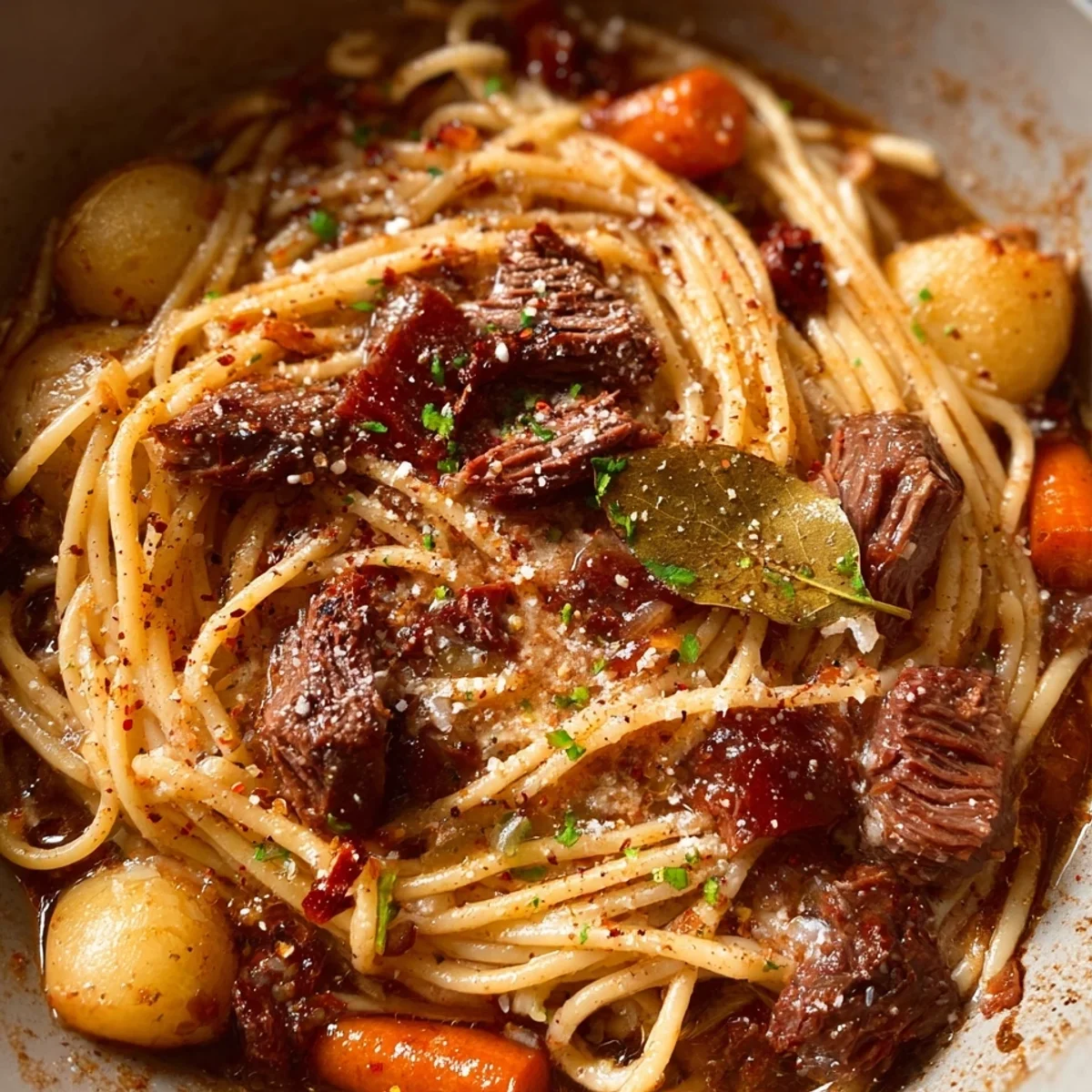


Okay, so picture this: a blustery January evening, snow piling up outside, and I'm shivering, dreaming of something hearty. That's when I first stumbled upon this beef stew recipe. Honestly, it was a desperate attempt to use up some chuck roast before it went bad. I didn't expect that first spoonful to wrap me in such warmth, like a culinary hug! It instantly became one of my go-to Comforting Winter Dinners. Now, it's a staple, bringing smiles and full bellies every time.
Oh, I remember one time, I was so excited to get this stew going, I completely forgot to sear the beef in batches. Just dumped it all in! The pot cooled down, the beef steamed instead of browned, and my gravy base wasn't as rich. Oops! It was still edible, but not peak delicious. Lesson learned: patience with the sear, friends, it makes all the difference!
Ingredients for Comforting Winter Dinners: What You'll Need
- 2 lbs beef chuck roast, trimmed and cut into 1 1/2-inch cubes: This is the star of our show, hon! Chuck roast has that perfect marbling that breaks down beautifully during a long braise, giving us that melt-in-your-mouth tenderness we crave. Don't skimp on trimming the excess fat, though, it helps get a better sear and a cleaner, richer gravy. It's the foundation for really great Comforting Winter Dinners.
- 1 large yellow onion, chopped: Onions are the unsung heroes of flavor. When you sauté them until they're soft and translucent, they release their sweet, savory notes, building the first layer of deliciousness for our stew. They practically disappear into the gravy, leaving behind a subtle depth that you'd miss if they weren't there.
- 4 cloves garlic, minced: Can you even make a savory dish without garlic? I think not! Freshly minced garlic, added after the onions, brings that pungent, aromatic kick that just screams 'comfort food.' It wakes up all the other flavors and makes the whole kitchen smell amazing. Don't burn it, though, that's a sad, bitter mistake.
- 3 large carrots, peeled and cut into 1-inch pieces: Carrots add a lovely sweetness and vibrant color to our stew. Plus, they hold their shape well during the long cooking time, providing a nice textural contrast to the tender beef and potatoes. I love how they soak up all that rich gravy, becoming little flavor bombs.
- 1 1/2 lbs Yukon Gold potatoes, peeled and cut into 1 1/2-inch chunks: Yukon Golds are my go-to for stew. They're waxy enough to not fall apart into mush but starchy enough to thicken the gravy ever so slightly. They become creamy and tender, soaking up all the incredible flavors. They're essential for a hearty, filling component in our Comforting Winter Dinners.
- 8 oz cremini mushrooms, quartered: These little beauties add an earthy, umami depth that takes the stew to the next level. I add them near the end, so they don't get lost in the braising liquid. They get perfectly tender and soak up the gravy, making each bite even more satisfying.
Making Comforting Winter Dinners: Your Step-by-Step Guide
- Step 1: Sear the Beef:
- Okay, so this is where the magic begins for our Comforting Winter Dinners. You want to get your pot nice and hot with that olive oil, then sear your beef in batches. Don't crowd the pan, hon! You're looking for a deep, golden-brown crust on all sides. That browning, that's called the Maillard reaction, and it builds incredible flavor. Seriously, this step is non-negotiable for a rich stew.
- Step 2: Sauté Aromatics:
- Once the beef is seared and set aside, it's time for the onions and garlic. Scrape up those delicious browned bits from the bottom of the pot while the onions soften and turn translucent. Then, toss in that minced garlic for just a minute until it's fragrant don't let it burn! This creates a beautiful aromatic foundation for our stew.
- Step 3: Build the Gravy Base:
- Now for the gravy! Sprinkle a little flour over your sautéed aromatics and stir it around for a minute or two. This creates a roux, thickening our stew later. Then, pour in a splash of beef broth, scraping up all those glorious browned bits from the bottom of the pot. That's pure flavor, friends, and it's what makes these Comforting Winter Dinners so special.
- Step 4: Add Liquids & Veggies:
- Return your seared beef to the pot, then add the rest of the beef broth, carrots, and celery. Give it a good stir, making sure everything is nestled in the liquid. Bring it to a gentle simmer on the stovetop. This is where all those individual flavors start to mingle and get cozy, preparing for their long, slow dance.
- Step 5: Braise to Perfection:
- Cover that pot and pop it into a preheated oven. Now, here's the secret to those fall-apart textures we love in Comforting Winter Dinners: low and slow. Let it braise for a good couple of hours. The beef will get super tender, the veggies will soften, and the flavors will deepen beautifully. This is where patience pays off big time!
- Step 6: Finish with Mushrooms:
- After the braising time, stir in your quartered Yukon Gold potatoes and mushrooms. Cook for another 30-40 minutes, or until the potatoes are fork-tender and the mushrooms have softened and soaked up some of that amazing gravy. Taste and adjust your seasonings. This final simmer brings all the elements together into a harmonious, hearty meal, perfect for any of your Comforting Winter Dinners.
Honestly, cooking this stew is a ritual for me. There’s something so grounding about the whole process the sizzle of the beef, the sweet smell of onions, the deep aroma as it braises. It’s not just about the food, it’s about the feeling of creating something warm and nourishing for my loved ones. It’s a labor of love, and every time, it feels like a little victory.
Storing Your Comforting Winter Dinners for Later
Okay, so you've got leftovers? Lucky you! This stew, like most braised dishes, tastes even better the next day as the flavors have more time to meld. Once it's cooled completely (don't put hot food straight into the fridge, hon, that's a food safety no-no and can warm up your whole fridge!), transfer it to airtight containers. It'll keep beautifully in the refrigerator for up to 3-4 days. I've tried to keep it longer once, thinking "it'll be fine!" and then had to toss it. Oops! For longer storage, it freezes really well for up to 3 months. Just thaw it in the fridge overnight and reheat gently on the stovetop or in the microwave.

Swapping Ingredients for Comforting Winter Dinners
I've played around with substitutions over the years! If you don't have chuck roast, stew beef or even short ribs can work, though they might need slightly different cooking times. For veggies, feel free to swap in parsnips or sweet potatoes for some of the Yukon Golds I've done it, and it adds a lovely sweetness. No cremini mushrooms? White button mushrooms are fine, or omit them if you're not a fan, though you'll miss that earthy depth. I once used a splash of red wine instead of some broth for a richer flavor, and I didn't expect that much of a difference, but wow, it was good! Just remember, these are just suggestions, make it your own!
Serving Up Comforting Winter Dinners: Perfect Pairings
This stew is a meal in itself, but honestly, it shines even brighter with a few simple accompaniments. My favorite? A crusty baguette or some warm, buttery rolls for soaking up every last drop of that incredible gravy. To be real, sometimes I just want mashed potatoes underneath it, even though there are potatoes in the stew you can never have too many potatoes, right? A simple green salad with a light vinaigrette is also perfect for cutting through the richness. And for a little something extra, a dollop of sour cream or a sprinkle of fresh parsley on top adds a nice touch of freshness and creaminess. Pure comfort on a plate!
The Heartwarming History of Comforting Winter Dinners
While this specific recipe is my own spin, beef stew, or pot roast, has roots deep in American culinary history, often linked to European peasant cooking traditions. It's a dish born out of necessity, using tougher cuts of meat and whatever root vegetables were on hand, transforming them into something incredibly nourishing and flavorful through slow cooking. It’s a testament to making the most of what you have, a true "waste not, want not" philosophy. For generations, dishes like these have been at the heart of family gatherings, especially in colder months. It’s that kind of hearty, home-cooked meal that bridges generations and brings everyone together around the table.
There you have it, friends! My ultimate recipe for Comforting Winter Dinners. This stew isn't just food, it's a hug in a bowl, a warm memory waiting to happen. I hope you give it a try and feel that same cozy contentment I do every time I make it. What are your favorite Comforting Winter Dinners? I'd love to hear your thoughts and any twists you put on this recipe in the comments below!

FAQs About Comforting Winter Dinners
- Can I make this stew in a slow cooker?
You totally can! Sear the beef and sauté the aromatics on the stovetop first for best flavor. Then, transfer everything to your slow cooker and cook on low for 6-8 hours or high for 3-4 hours, adding potatoes and mushrooms in the last hour.
- Why is searing the beef so important?
Searing the beef creates a rich, caramelized crust through the Maillard reaction. This adds incredible depth of flavor to the meat and contributes to a much more robust and delicious gravy base for your stew. Don't skip it!
- My gravy isn't thick enough, what can I do?
No worries! If your gravy is too thin, mix a tablespoon of cornstarch with an equal amount of cold water to create a slurry. Stir it into the simmering stew a little at a time until it reaches your desired thickness. Perfect for those Comforting Winter Dinners!
- Can I use different types of potatoes?
Yep! While Yukon Golds are my favorite for their creamy texture, red potatoes or even russets (though they might break down a bit more) can work. Just make sure they're cut into uniform chunks for even cooking.
- What if I don't have beef broth?
You can use vegetable broth in a pinch, but beef broth really brings out the rich flavor of the meat. If you're out, a good quality bouillon dissolved in hot water can also be a decent substitute.